The art behind the show
What flamenco is: cante, baile, toque
Song, dance and guitar as UNESCO describes them, where flamenco comes from, and how a tablao evening fits into a tradition that began in southern Spain.
Reserve your flamenco hour ↗Quick answer
Flamenco is an Andalusian art that joins song (cante), dance (baile) and guitar (toque), with calls of encouragement (jaleo) from the performers. UNESCO recognised it in 2010 as intangible heritage of humanity. A tablao is the small room where it is performed for an audience. Palma's tablao brings that southern tradition to Mallorca for an hour at a time.
Three arts, one performance
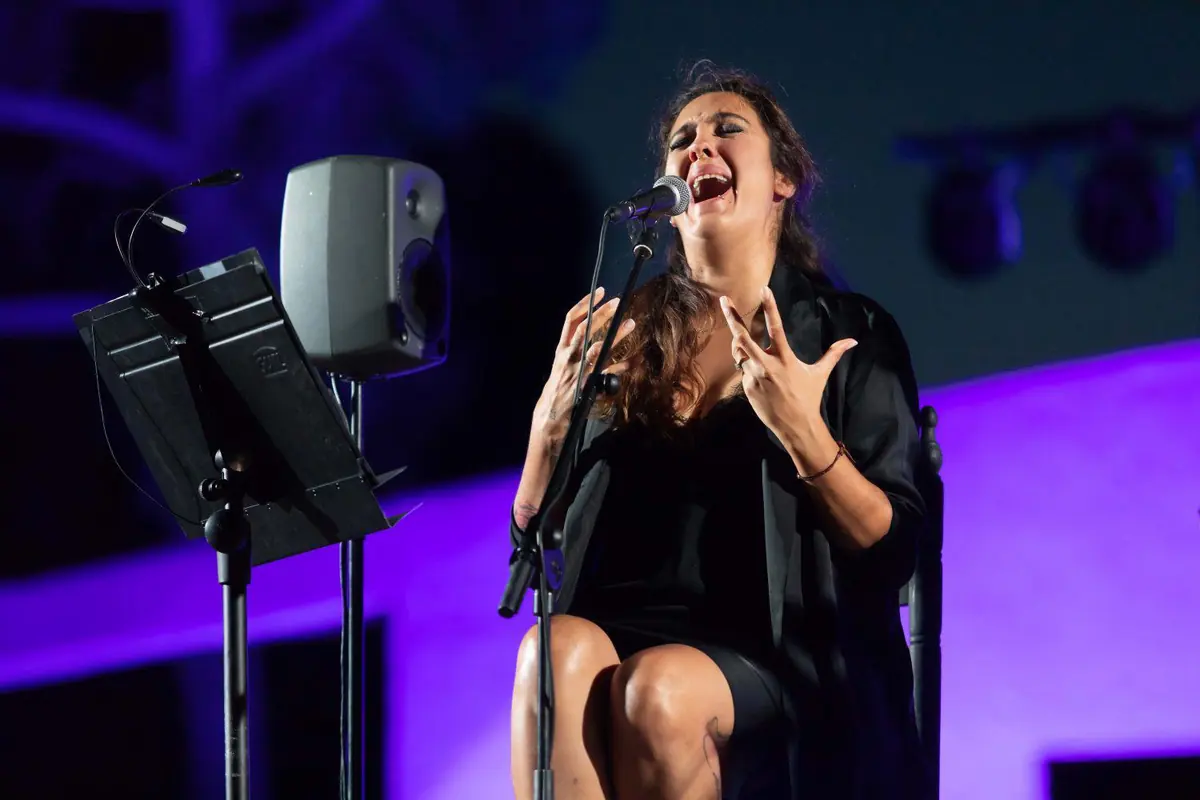
UNESCO divides flamenco into three parts. Cante, the song, is performed by men and women, usually seated and without a chorus behind them. Baile, the dance, expresses everything from sorrow to joy, with courtship and passion among its themes. Toque, the guitar, has outgrown its early job of accompanying the voice, and castanets, handclaps and stamping join the sound. A good performance weaves the three together, so no single part simply supports the others.
Where it comes from
UNESCO places flamenco's heartland in Andalusia, in southern Spain, with roots also in Murcia and Extremadura. It calls flamenco the identity marker of many communities, above all the Gitano or Roma community, which plays an essential part in shaping it. Wikipedia dates its emergence to the end of the 18th century in the cities and farming towns of Lower Andalusia, and cites a 1774 text as the oldest record of flamenco music. No single person invented it.
How it is passed on
UNESCO says the art passes down through family dynasties, social circles and flamenco clubs. Guitarists, singers and dancers learn the rhythms by listening and watching, then make them their own. The result is an art that stays close to its roots and still changes with each performer. For an audience, the lesson is practical: two performers can take the same rhythm and make it sound entirely different, which is why a tablao rewards a second visit.
From cafes to tablaos
In the 19th century cafés cantantes, bars where singers, guitarists and dancers performed for paying customers, became flamenco's stage. Wikipedia says that during the 1960s tablaos spread through Spain and took over from the cafés. The word comes from tablado, a wooden platform, and refers both to the venue and to the stage floor itself. In a tablao the artists work close to the audience in a small room, with drinks or tapas at the tables. Wikipedia adds that some venues serve a full Spanish meal.
Beyond Spain
Flamenco travels. Wikipedia notes that the Rotterdam Conservatory has offered regulated flamenco guitar studies since 1985, which will interest Dutch visitors, and that Albuquerque in the United States is considered a centre for flamenco art. German, British and Dutch travellers in Palma are therefore likely to have met flamenco at home, in a class or on a stage, before they see it in a tablao. Seeing it in Spain, in a small room, is a different thing.
Why it is in Mallorca
Mallorca has its own folk traditions, with instruments such as the xeremies, a local bagpipe, and a music that Wikipedia says strongly resembles that of Catalonia. Flamenco arrives from the south as a guest art. Tablao Flamenco Alma presents itself as the first flamenco tablao in Palma, and it hosts performers who change every couple of weeks. For visitors from northern Europe, that makes Palma a place to hear Andalusian music without leaving the island.
Read next: A Palma evening around a flamenco show
Who this isn't for
Anyone wanting a history lesson with a lecture will be disappointed by a tablao evening: the hour is a performance, not a talk. If you want a spectacle with costume changes and a big cast, a small room cannot supply it. This guide is for people who would like to know, in plain terms, what they are watching before the guitar starts.
Frequently asked questions
What does cante mean?
Cante means song. In flamenco it is the vocal part, sung by a man or a woman, usually seated, without backing singers.
Is flamenco on a UNESCO list?
Yes. UNESCO recognised flamenco in 2010 as intangible cultural heritage of humanity.
Who invented flamenco?
No single person did. Wikipedia traces it to the Gitano community of lower Andalusia, towards the end of the 1700s.
Sources